

When you pick disposable bowls, size is important for your food and the planet. These are the most common sizes:
Bowl Size | Capacity (oz) | Capacity (ml) | Common Uses |
|---|---|---|---|
8 oz | 8 | ~240 | Snacks, dips, sauces |
12 oz | 12 | ~360 | Individual salads, small entrees |
16 oz | 16 | ~480 | Soups, stews, larger portions |
24 oz | 24 | ~720 | Hearty entrees, meal prep |
32 oz | 32 | ~950-1000 | Bulk servings, family-size portions |
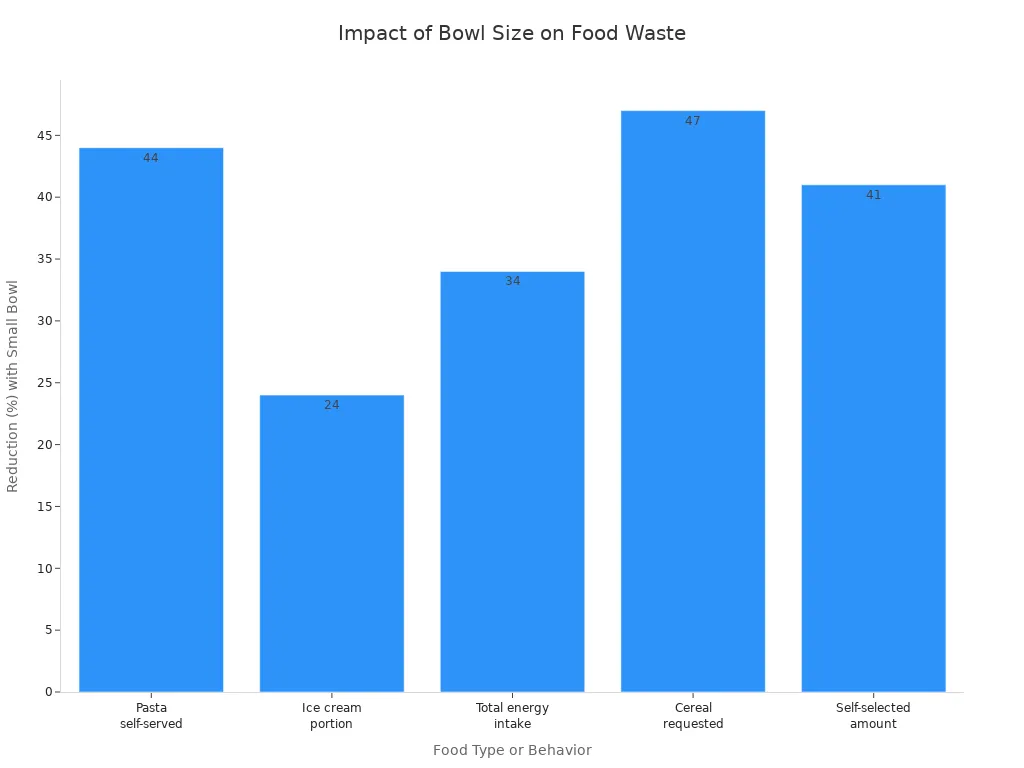
Picking the right disposable bowl can help stop food waste. It can also make people happier at your event. Research shows smaller bowls make people take less food and waste less.
Eco-friendly options like Biodegradable Pack’s disposable bowls are a smart and green choice for any event.
Pick the right bowl size for your food and event. Small bowls are good for snacks. Medium bowls are best for salads. Large bowls are used for main dishes.
Smaller bowls help cut down on food waste. Studies show smaller portions mean less food is taken and thrown away at events.
Choose eco-friendly disposable bowls made from plant fiber or bamboo. These bowls can break down in compost and are better for nature.
Think about how many guests you have and how much food you need. Do not use bowls that are too big or too small. This helps everyone get enough food and stops waste.
Buying disposable bowls in large packs saves money. It also cuts down on packaging waste. Pick biodegradable bowls to help the planet.
When you pick disposable bowls, think about size and how much they hold. The right bowl makes serving food simple. It also helps cut down on waste. Here are the most common sizes and what they work best for.
Small disposable bowls hold between 6 and 8 ounces. That is about 177 to 237 ml. These bowls are good for snacks, desserts, and sides. You see them a lot at parties or for kids’ food. They are also nice for a small salad serving.
Size (oz) | Size (ml) | Common Uses |
|---|---|---|
4-8 oz | 118-237 | Small desserts, fruit cups, side of soup, children's portions |
Small bowls come in many materials. Some popular types are paper-based, kraft paper, bamboo paper, and plant fiber. Each material has its own good points. For example, paper salad bowls are light and cheap. Bamboo paper bowls are eco-friendly and look cool. Plant fiber bowls break down fast and work for hot or cold foods.
Material Type | Characteristics | Suitability for Foods |
|---|---|---|
Paper-based | Lightweight, moisture-resistant | Hot or wet foods like soup or chili |
Kraft Paper | Strong, durable, biodegradable | Heavier foods |
Bamboo Paper | Sustainable, made from bamboo fibers | Eco-friendly settings |
Plant Fiber | Compostable, renewable materials | Hot and cold foods |
Biodegradable Pack sells small bowls made from all these green materials. You can use them for birthday parties, school lunches, or snacks.
Tip: Small bowls help people eat less and waste less food at events.
Medium disposable bowls hold 10 to 12 ounces. That is about 295 to 355 ml. This size works well for salads with regular servings. It is also great for soups, noodles, and grain bowls.
You see medium bowls in lots of places:
Quick-serve restaurants use them for chowders and ramen.
Food trucks and cafés pack meals in them.
Meal-kit services fill them with noodles or grains.
Food delivery uses lids to stop spills.
Catering likes them because they are light and easy to stack.
Paper salad bowls in this size are popular for takeout and meal prep. Biodegradable Pack makes medium bowls from plant fiber, bamboo, and kraft paper. These bowls are strong and safe for hot or cold foods.
Note: Medium bowls work well for homes and businesses.
Large disposable bowls start at 16 ounces. That is about 473 ml. Some go up to 32 ounces, which is about 950 ml. These bowls hold a lot, so they are good for main dishes, sharing, or family meals. People use them at events, restaurants, and for takeout.
Application Type | Description |
|---|---|
Chain Restaurant Packaging | Serving soups, noodles, and rice for franchises. |
Takeout & Delivery Platforms | Used by services like Uber Eats and DoorDash. |
Supermarkets & Convenience Stores | Packaging for ready-to-eat soups and meals. |
Event & Catering Services | Containers for hot buffets and festival meals. |
Food Factories | Pre-packaged hot meals for distribution. |
Large bowls are great for salads when you want a meal or to share. They are perfect for big entrees, meal prep, and buffets. Biodegradable Pack has large bowls made from strong plant fiber and bamboo. These bowls hold hot or cold foods without leaking or breaking.
Disposable bowls make up 22% of all tableware sales. Large bowls are a big part of this because they are useful for events and restaurants.
Picking the right size and capacity helps you serve food better and keeps your event smooth. Biodegradable Pack has all popular sizes in eco-friendly materials. You can always make a smart and green choice.
You need to match the size of your disposable bowl to the food you plan to serve and the type of event you are hosting. For example, small bowls work best for snacks, appetizers, or desserts at birthday parties or casual gatherings. Medium bowls fit salads, pasta, or rice dishes, making them a good choice for lunch events or picnics. Large bowls suit main courses like chili, curry, or big salads, which you often see at family dinners or buffets.
Bowl Size | Capacity (oz) | Ideal Use |
|---|---|---|
Small | 12-16 | Appetizers or snacks |
Medium | 20-24 | Main dishes or salads |
Large | 28-32 | Pasta or punch |
If you plan a relaxed event, such as a networking mixer or a cocktail party, bowl food lets guests eat while they mingle. For formal dinners, you might want larger bowls for main courses. When you choose the right size, you help guests enjoy their food and keep the event running smoothly.
Tip: The right bowl size can make your food look more appealing and help control portions, which reduces waste.
You should always think about how much food you want to serve and how many people will attend. If you use a bowl that is too big, guests may take more food than they need, which can lead to waste and higher costs. A bowl that is too small might not hold enough, making guests go back for seconds.
Here are some simple guidelines:
Small bowls (2–5 oz): Use these for snacks or desserts.
Medium bowls (10–16 oz): Choose these for side dishes, pasta, or salads.
Large bowls (20 oz and above): Pick these for big portions, soups, or sharing.
When you plan for a large group, order extra bowls to cover seconds, accidents, or last-minute guests. Buying in bulk can save money and make sure you do not run out during your event.
Bowl Size (oz) | Impact on Portion Control | Cost Implications |
|---|---|---|
8–12 | Ideal for starters, prevents overflow | Manages food costs effectively |
12–16 | Considered the 'sweet spot' for balance | Looks generous, minimizes waste |
24–32 | Suitable for heartier meals | Higher costs, potential for waste |
Note: Matching the bowl size to your menu and guest count helps you serve the right amount and keeps everyone happy.
The material of your disposable bowl matters as much as the size. You want a bowl that holds up to the food you serve. For hot soups or stews, pick sturdy, leak-proof bowls made from plant fiber, bagasse, or bamboo. These materials resist heat and moisture, so your food stays safe and your table stays clean. Compostable bowls work well for both hot and cold foods and break down after use, making them a smart choice for the environment.
Material Type | Sturdiness | Suitability for Hot Foods |
|---|---|---|
Plant Fiber | Strong, compostable | Excellent for hot and cold foods |
Bagasse | Durable, heat resistant | Great for soups and stews |
Bamboo | Sturdy, eco-friendly | Good for salads and entrees |
Corn Starch | Compostable, moderate strength | Best for cold or dry foods |
When you choose Biodegradable Pack’s bowls, you get products made from renewable resources. These bowls are safe for microwaves if labeled, and many meet compostability standards like BPI, EN13432, or ASTM D6400. Always check for certifications to make sure your bowls are both safe and eco-friendly.
Choosing the right material and size for your disposable bowls ensures your food looks great, stays fresh, and supports a greener planet.
You can find many sizes of disposable bowls, each made for a different purpose. The right size helps you serve food easily and keeps your event organized. Here is a table to help you compare the most common sizes, their uses, and key features:
Bowl Size (oz) | Typical Use | Eco-Friendly | Microwave Safe | Heavy-Duty |
|---|---|---|---|---|
6–8 | Snacks, desserts, sides | Yes | Yes | Moderate |
10–12 | Salads, soups, noodles | Yes | Yes | Good |
16–24 | Main dishes, meal prep | Yes | Yes | Excellent |
32 | Sharing, family portions | Yes | Yes | Excellent |
You can see that every disposable bowl size has a special use. Small bowls work best for snacks or desserts. Medium bowls fit salads or soups. Large bowls hold main dishes or food for sharing.
When you choose a disposable bowl, you should look at more than just the size. Each type of bowl offers different features:
Bagasse bowls break down fast and are compostable. They work well for hot and cold foods.
Paper bowls with double walls give better heat protection and do not collapse easily.
PLA-coated bowls are safe for short microwave use. PP-coated bowls handle higher heat and are best for hot meals.
Disposable bowls come in many designs. Some look simple, while others look elegant for special events.
You can pick bowls that match your event. For birthday parties, bright and fun bowls add to the mood. For business events, you might want bowls that look like fine china. Outdoor picnics need bigger, sturdy bowls for hearty food.
Choosing the right size and material helps you serve food safely, reduce waste, and make cleanup easy. You also help the planet when you pick eco-friendly disposable bowls.
When you pick biodegradable and compostable disposable bowls, you help the earth. These bowls break down in a few months, not hundreds of years like plastic. They give nutrients back to the soil and help plants grow strong. Composting these bowls means less trash goes to landfills and less methane gas is made.
Compostable materials break down fast and make soil better.
Using these bowls helps lower pollution and greenhouse gases.
You help soil stay healthy and plants grow better.
More people want eco-friendly choices now. About half of shoppers say they care most about the planet when buying. The market for green packaging gets bigger every year. Restaurants that use eco-friendly products see more customers come back.
Here is what the market for biodegradable and compostable products looks like now:
Market Segment | Percentage Share |
|---|---|
Biodegradable Tableware Market | 10–12% |
Foodservice Disposables Market | 20–25% |
New Product Launches (2025) | Over 35% |
Eco-friendly disposable bowls do more than help the planet. They are light, simple to use, and show guests you care about nature.
If you plan an event, you want to make good choices for your guests and the earth. Buying disposable bowls in bulk saves money and makes less waste. Here are some tips to help you pick the best bowls:
Choose bowls made from biodegradable or compostable stuff.
Try to find bowls with recycled materials.
Learn about how the bowls are made and thrown away to help the earth.
Check that your bowls are safe for food.
Eco-friendly bowls often use things like palm leaves or sugarcane bagasse. These bowls are strong, do not leak, and work for hot foods. Buying a lot at once can save money and use less packaging. Regular bowls might look cheaper, but eco-friendly bowls save money over time by making less trash and helping your green goals.
Tip: Bigger bowls can help you use fewer containers, which saves space and money.
When you use eco-friendly disposable bowls at your event, you show you care about the planet. This choice makes cleanup easy and guests who care about the earth will like it.
You can make meals better by picking the right bowl size. Small bowls work well for snacks. Medium bowls are good for salads or pasta. Large bowls are best for big meals or sharing. Look at the table for quick tips:
Food Type | Recommended Bowl Volume (ml) | Notes |
|---|---|---|
Soups and Stews | 500-750 | Enough space for liquids and toppings |
Salads/Cold Dishes | 750-1000 | Wide bowls help with serving and looks |
Pasta/Rice | 500-750 | Compact bowls are easy to store |
Small Sides | 250-350 | Good for dressings or small servings |
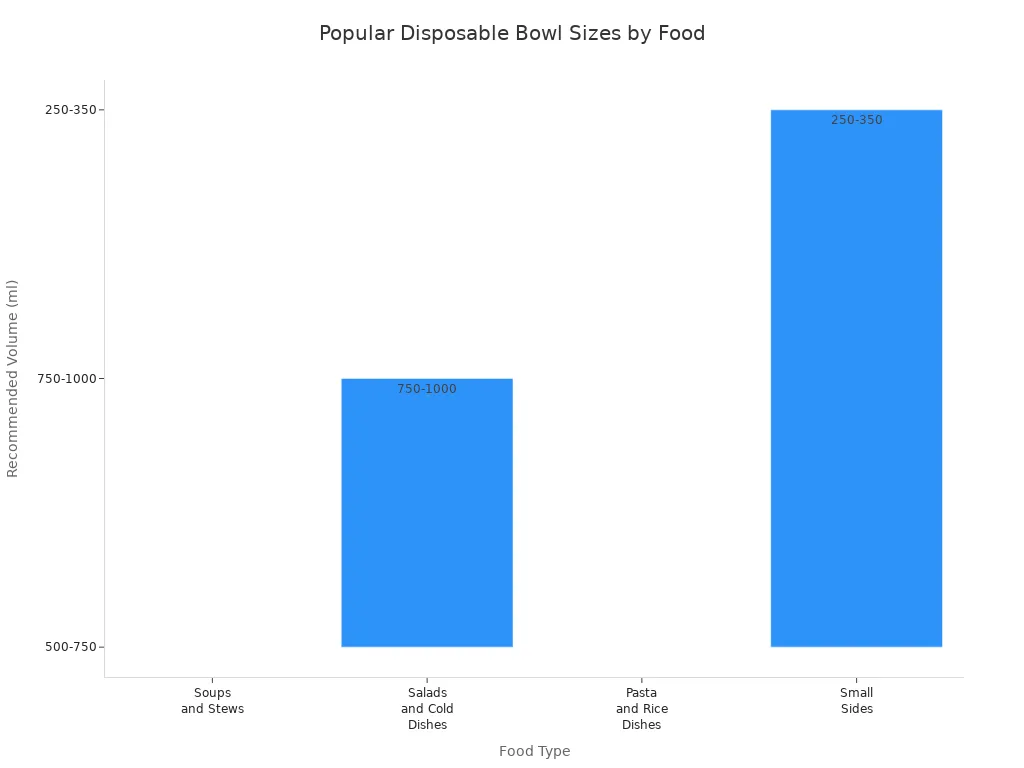
If you choose eco-friendly bowls like Biodegradable Pack’s, you help the earth. You also keep your event neat and tidy. Use the table and tips to make smart choices for your next meal.
A 16 oz or bigger disposable bowl is best for soup. This size holds enough soup and toppings. It also helps stop spills. Eating soup is easier with a bigger bowl.
Some disposable bowls are not safe for hot foods. Always look at the label first. Bowls made from plant fiber, bagasse, or bamboo work well with heat. These bowls keep your food safe and your hands cool.
Many disposable bowls can go in the microwave, but check the package. Bowls made from plant fiber or bagasse are usually safe to heat. Never put bowls with plastic or wax coating in the microwave.
Most eco-friendly disposable bowls can go in your compost at home or at a composting center. These bowls turn into natural stuff as they break down. Always check your local composting rules before throwing them away.
Disposable bowls make serving food and cleaning up fast and easy. You save time and do less work. Eco-friendly bowls also help the earth and show guests you care about nature.